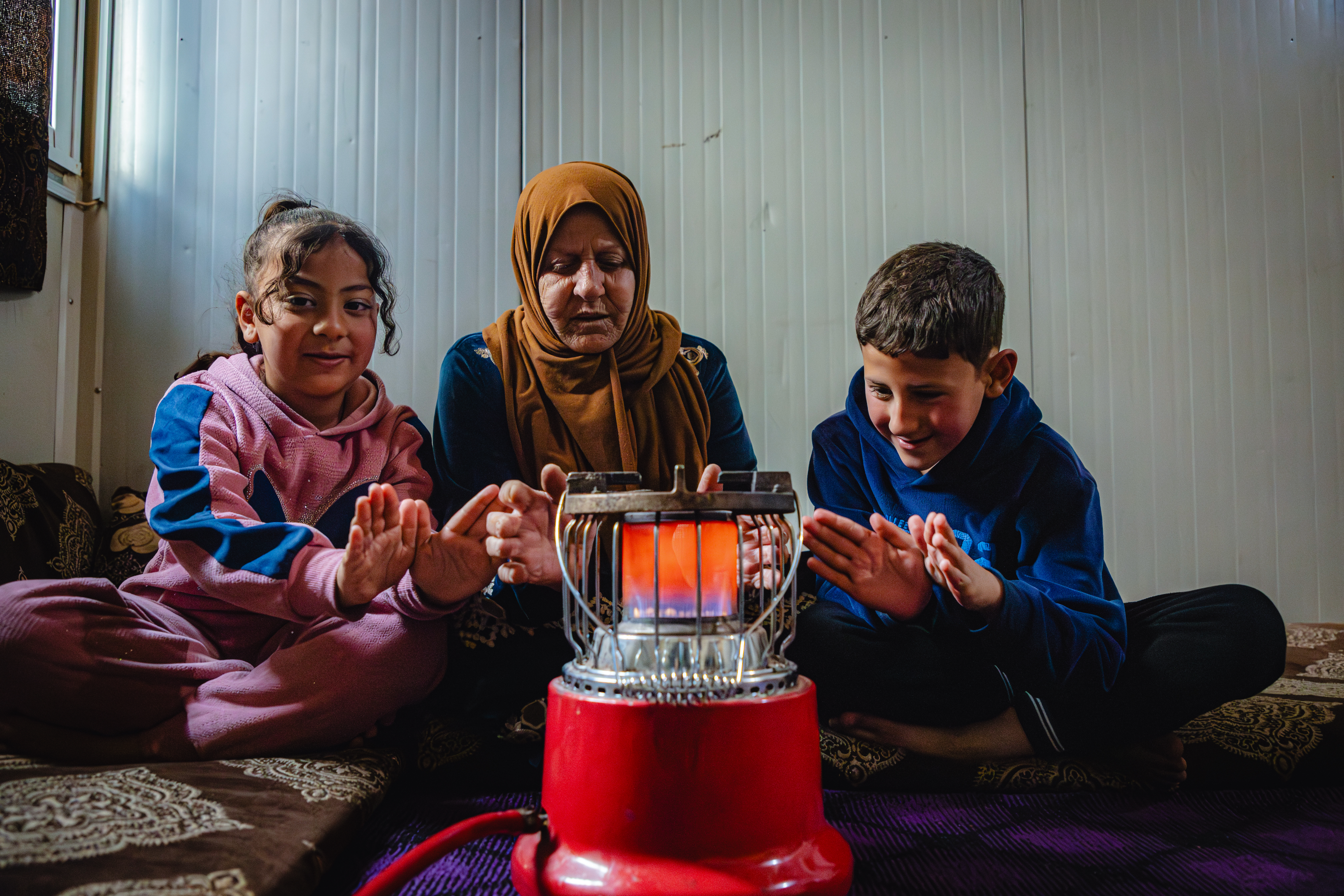
The freezing wind, rain and snowstorms cover the thin and fragile shelters that refugees call home.
Winter emergency: Some key figures
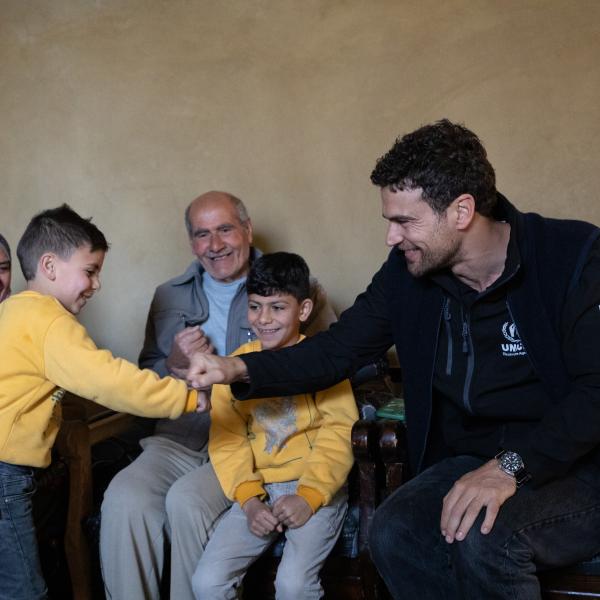
“Families forced to flee conflict and persecution desperately need shelter this winter. They need materials to fix roofs, replace windows, and insulate walls. They need heaters and warm clothes, along with blankets and mattresses, to make this winter bearable. They need our support to survive.” – Theo James, UNHCR Goodwill Ambassador
How are refugees and internally displaced people experiencing winter across different countries?
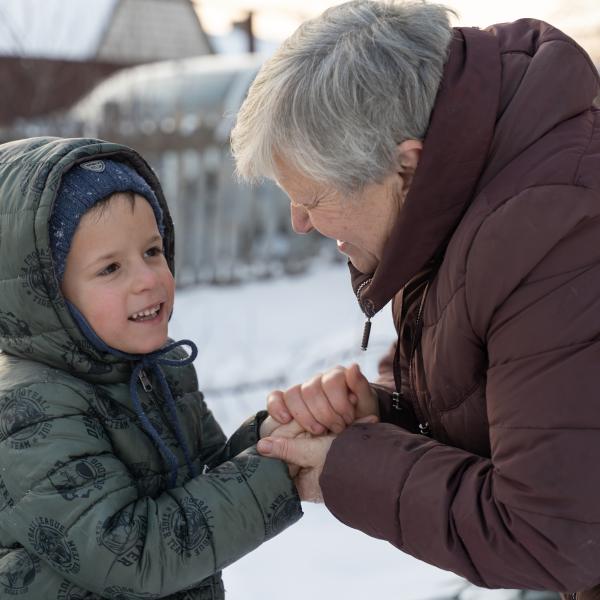
Winter in Ukraine
Ukraine is approaching its fifth winter of full-scale war. Last winter, temperatures fell to –20°C across parts of the country, while Russian repeated attacks on homes and energy infrastructure left many families without electricity or heating for prolonged periods.
UNHCR has warned that the winter months are going to be a matter of life and death for millions of people affected by the war in Ukraine. UNHCR is scaling up shelter repairs, ensuring proper insulation in homes to help families cope with freezing temperatures. UNHCR also distributes heating appliances and providing vital cash assistance, so that families can pay for rent and other essential utilities.
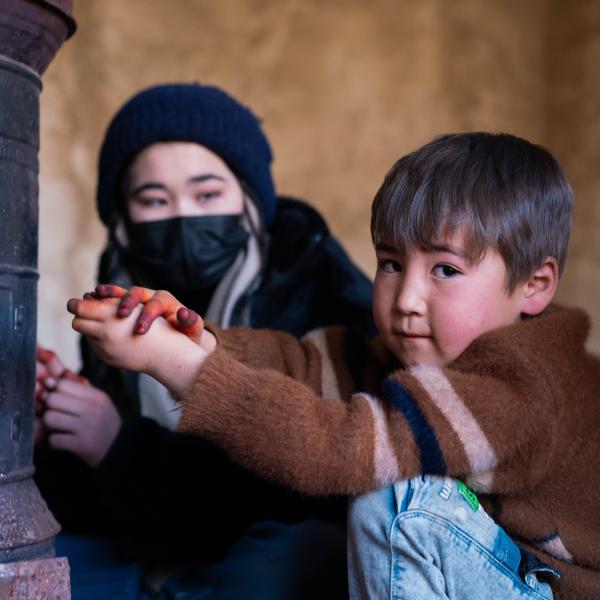
Winter in Afghanistan
Afghanistan is experiencing one of the world's largest return emergencies. Nearly 3 million Afghans returned from neighbouring countries in 2025, many under adverse circumstances, including deportation, with little time to prepare. They are returning to communities already under immense pressure, where 62% of households cannot afford daily expenses such as food, rent and other basic needs.
Last winter showed just how dangerous the cold can be. In Bamyan, temperatures fell as low as –25°C, while many people lacked adequate shelter or the means to buy fuel. Parents described burning cardboard, paper and other unsafe materials to keep their children warm, while making impossible choices between food, heating and rent.
This winter, UNHCR and its partners will help returning families and other vulnerable households prepare for the cold by providing permanent shelter, delivering cash assistance and distributing essential household items.
Winter in Syria
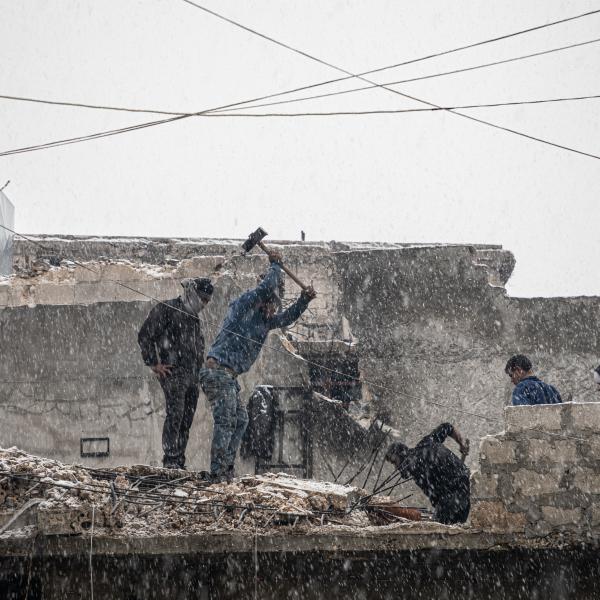
Following years of conflict, more than 1.7 million refugees have returned to Syria since December 2024. For many families, returning home offers hope after years of displacement. But many are returning to communities where homes have been damaged or destroyed, basic services remain limited and opportunities to earn an income are scarce.
Last winter demonstrated how quickly winter conditions can deepen humanitarian needs. In January 2026, heavy rains, severe storms and flooding damaged homes and shelters across northern Syria. Across the country, more than 6 million people require shelter assistance.
This winter, with our partners, UNHCR helps returning families and other vulnerable households prepare for the cold by repairing damaged homes, providing cash assistance and distributing essential winter items.
Winter in Lebanon
Lebanon continues to face a complex and volatile environment shaped by overlapping crises. The country hosts fewer than a million refugees, while hundreds of thousands Lebanese families have also been displaced inside the country in recent months due to the armed conflict.
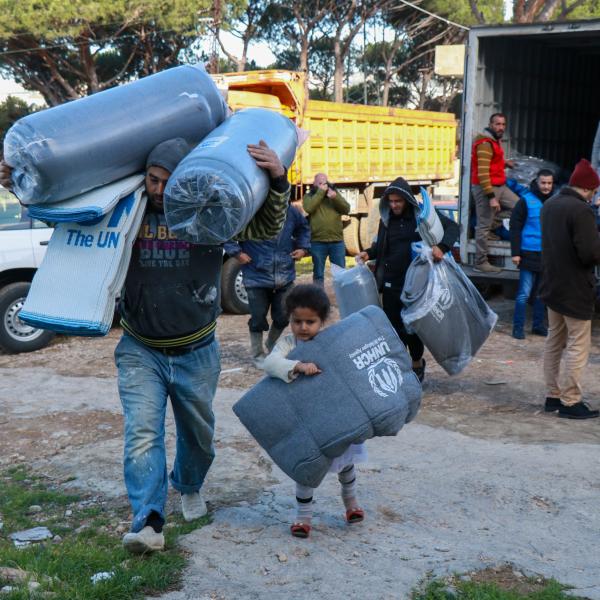
Winter needs are affecting both families recently displaced inside Lebanon and Syrian refugees who have been living in displacement for years. Some Syrian refugee families remain unable to return to Syria because their homes have been destroyed and they do not have the means to rebuild them.
Displaced families and refugees are living in a range of inadequate shelter conditions, including collective shelters, schools, informal settlements, tents patched with plastic sheeting, unfinished buildings and rented rooms they can barely afford.
UNHCR’s winter support in Lebanon includes repairing and reinforcing damaged homes and shelters, sealing windows and doors, and providing winter essentials such as blankets, warm clothing, solar lamps and cash assistance. This support helps families cover urgent needs such as food, medicine and heating fuel, and prepare their shelters before temperatures drop further.
Winter in Jordan
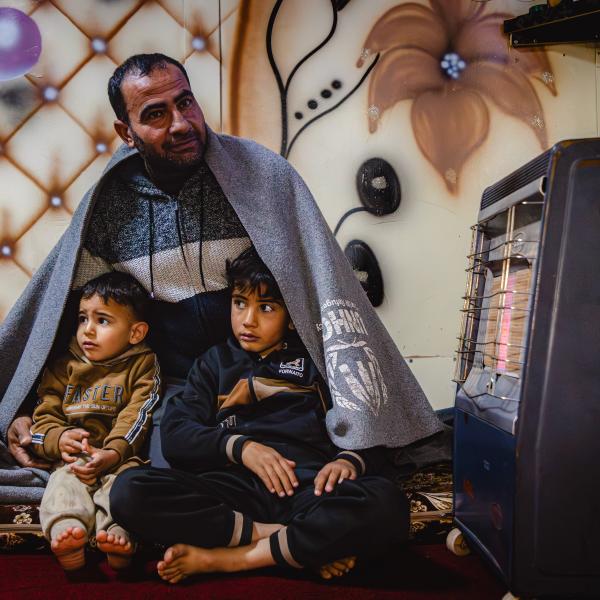
In Jordan, refugee families are already struggling to cover their most basic needs. Two out of three refugees live below the poverty line, while 93% of refugee households are in debt. For many families, income simply does not cover essential expenses such as food, rent and healthcare.
Winter adds another burden. Many refugees live in housing that offers limited protection from harsh weather. In host communities, only 39% of refugee households report acceptable housing conditions, while damaged roofs, doors and windows are among the most common problems. In the Azraq and Zaatari camps, families continue to live in temporary shelters, many of which are ageing and in need of maintenance.
UNHCR provides cash assistance that helps vulnerable families cover essential needs, while continuing to support refugees living in camps with basic services and shelter support. This assistance is a crucial safety net: without cash and in-kind assistance, poverty among refugees living in camps would rise to 92%.
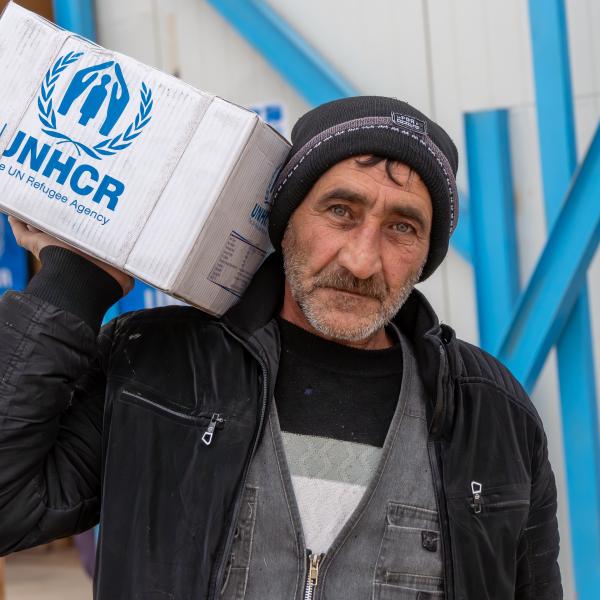
UNHCR helps refugees and internally displaced people (IDPs) repair and reinforce shelters, seal windows and doors, and better protect homes and temporary shelters from the cold. Alongside this, UNHCR provides winter essentials such as blankets, heaters, warm clothing, solar lamps and cash assistance so families can buy what they need most. Our winter assistance is focused on helping families survive in harsh conditions, often in precarious and temporary shelters.
UNHCR leads the refugee response worldwide and has the reach and logistical capabilities to ensure that your donations will have an impact on the lives of the most vulnerable families.