"Even a lot of people working in the humanitarian field don't know what protection is. It's a bit of a mystery to many people."
Ruvendrini Menikdiwela joined UNHCR – the UN Refugee Agency – straight out of law school in Paris, knowing almost nothing about refugees. That was 1989. Today, she is the Assistant High Commissioner for Protection, the leading role on protection at UNHCR. We sat down with her to ask the one question even many humanitarian workers struggle to answer: what exactly is protection?
When people hear "protection," what should they understand?
"Everyone immediately imagines a whole group of lawyers sitting in a conference room, putting in a comma or a full stop. That's not protection.
Protection is when a UNHCR officer goes to meet with a government and says: dear government, you have 100,000 refugees at the border. We know your economy is fragile, that you have problems meeting the needs of your own people – but these are people fleeing conflict, violence, persecution. They need to be admitted, and we will help you financially and politically to support them.
That's protection. It's built on a principle called non-refoulement – a French legal term that simply means: you can’t send someone back to a country where their life or freedom could be threatened. That is the foundation. Everything else builds on it."
Once people are admitted, what comes next?
"Then you build on that. Once people are in, the next question is: are they really refugees? In a mass situation – 800,000 Sudanese crossing into Chad, or Ukrainians arriving in Europe – you don't examine each person individually. They're all coming from a country at war, so it's group determination.
But in countries like Switzerland, where we have around 25,000 asylum seekers going through the process right now, each claim is assessed individually. Are they fleeing conflict, violence, persecution? Is it linked to their race, religion, nationality, political opinion, or background? In some countries, LGBTQI+ people are persecuted. If you fall into one of those categories, you are a refugee.
You're not deciding – you're finding out that this person actually is a refugee. That recognition matters enormously."
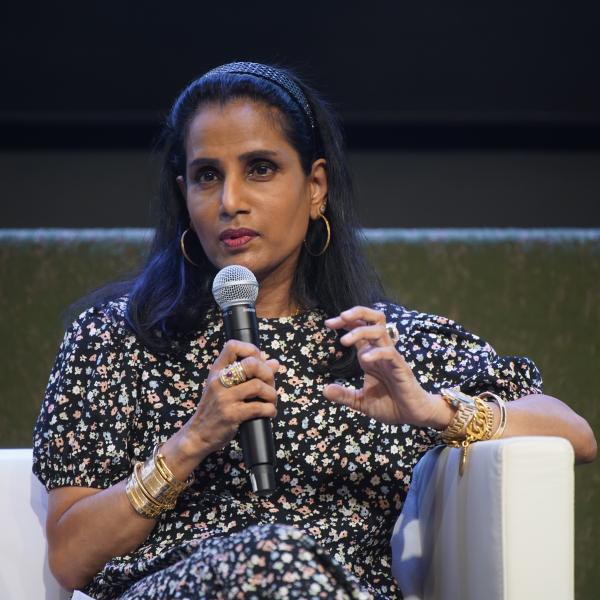
"It's not some fancy, obscure legal thing. It's literally real life: the same basic things you and I take for granted."
Concretely, what does that look like on the ground?
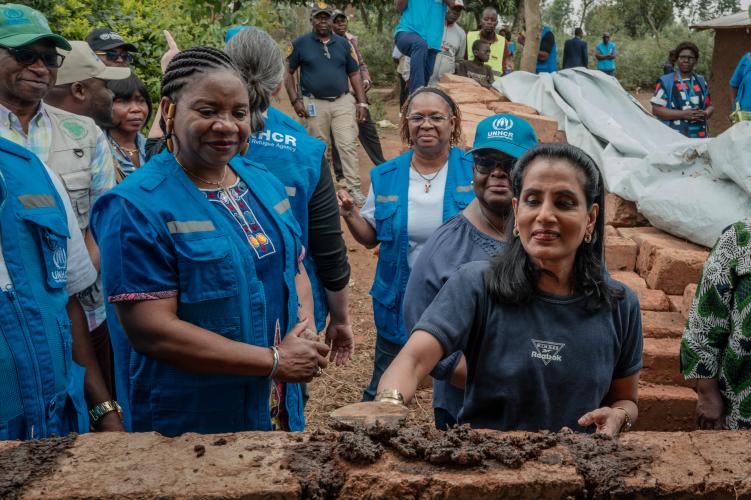
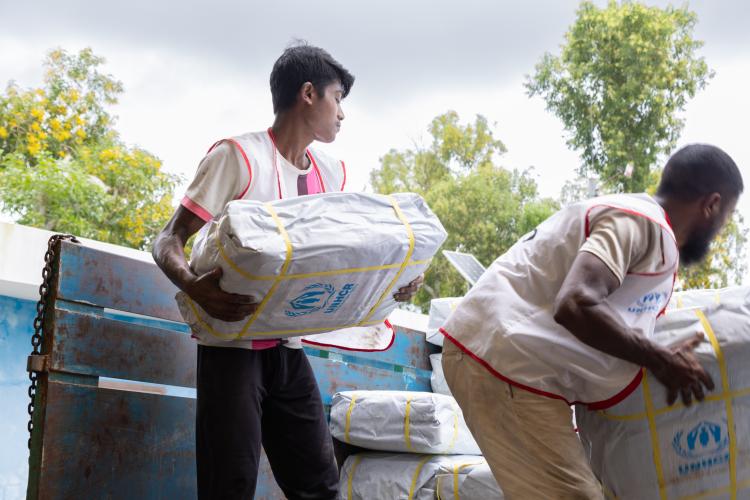
"Once someone is recognized as a refugee, protection means making sure they have access to all the things you and I take for granted. A roof over their head. Food on the table. A place to send their children to school. Somewhere to go when they fall sick.
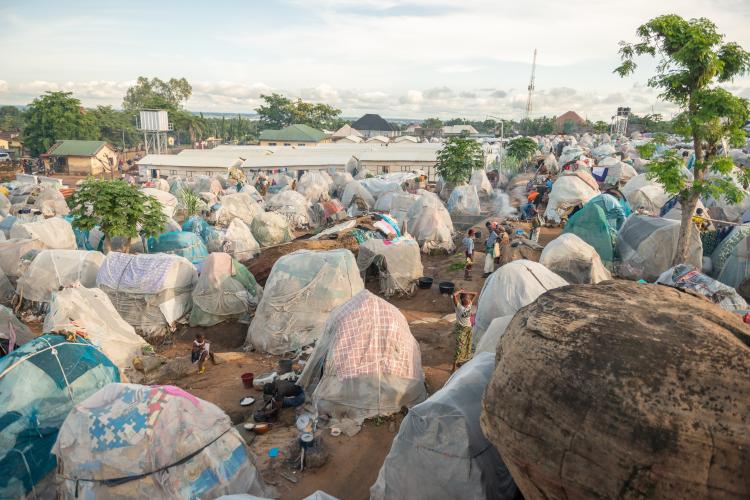
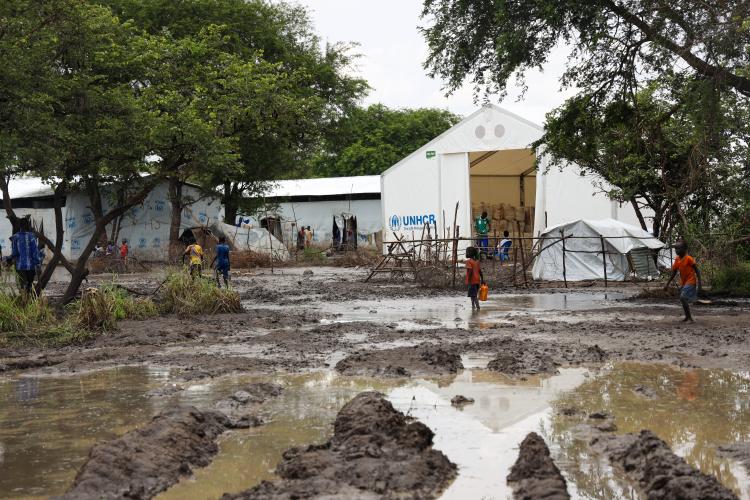
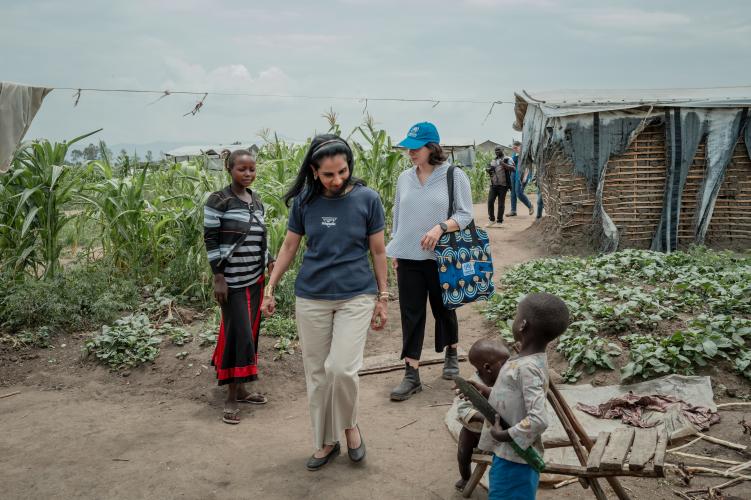
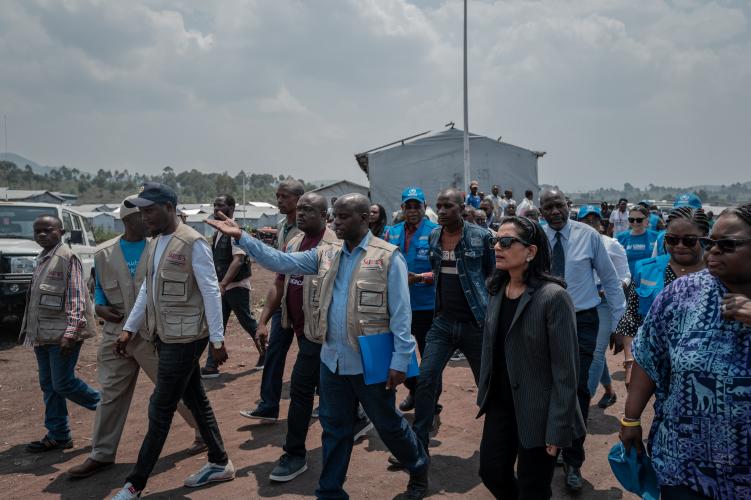
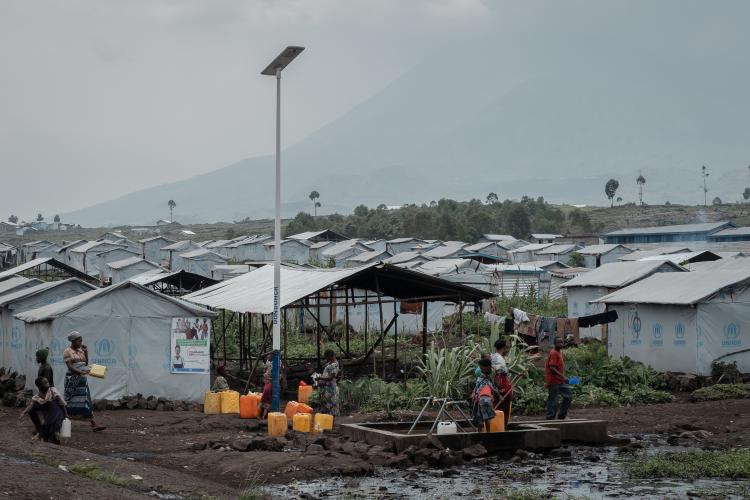
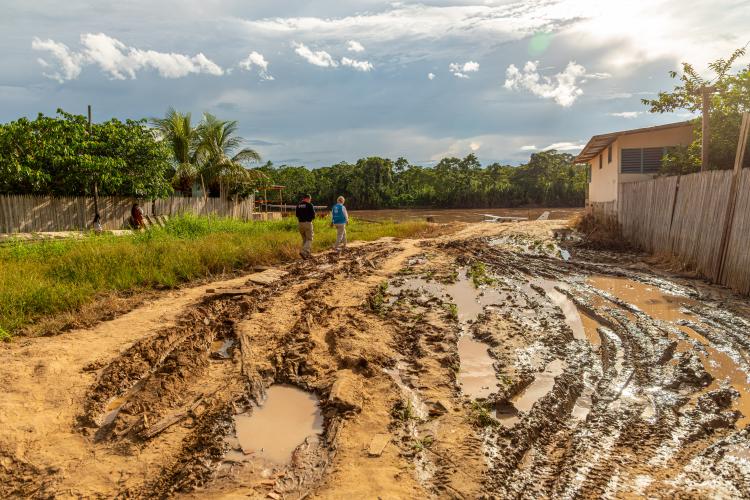
I was recently in Burundi, where the government has received over 100,000 Congolese refugees since December. A tiny country with a very fragile economy – and yet they opened their borders. When I visited one of the sites, 64% of the refugees who had arrived since December were still sleeping under plastic sheets. It was raining. The ground had turned to mud. There had been a cholera outbreak just weeks before. These people had left with the clothes on their backs.
Making sure people don't die of pneumonia or cholera. Making sure unaccompanied children – and 60% of those in the camp were children – are identified and cared for. That is protection in its most basic form. It is urgent work. And right now, in too many places, we don't have the funding to do it properly."
"Protection is automatically the first step towards a solution. Without it, nothing else follows."
Why does protection matter for long-term solutions?
"Because it is the first step towards everything. In Switzerland or other host countries, someone's journey might eventually lead to residency, the right to work, perhaps even citizenship one day. But none of that is possible unless protection comes first – admission to the country, recognition of status, access to basic services while a lasting solution is found.
After that, we consider our job done."
FAQ on Refugee Protection
What does UNHCR do for refugees?
UNHCR, the UN Refugee Agency, works to protect people forced to flee their homes due to conflict, persecution, or violence. This includes advocating for access to asylum, determining refugee status, and ensuring access to food, shelter, healthcare, and education.
What is non-refoulement?
Non-refoulement is a core principle of international refugee law. It means that no person should be returned to a country where they face a serious risk to their life or freedom. It is the foundation of all refugee protection.
What is the difference between a refugee and an asylum seeker?
An asylum seeker has applied for international protection but whose claim has not yet been decided. A refugee is someone whose claim has been recognized under international law. Both require protection throughout this process.
How does UNHCR work in Switzerland?
UNHCR monitors Switzerland's asylum system, advocates for fair procedures, supports refugee integration, and works with the Swiss government and civil society to uphold international protection standards.