Near the Sudanese border, shelters are slowly being reinforced and improved with bricks. Young Sudanese people are returning to their studies. Dry, barren land is becoming farmable again. This is what Rémi Vallet, Executive Director of Switzerland for UNHCR, witnessed during a recent visit to eastern Chad. Beyond the immediate emergency, there are real solutions, that give refugees the tools to shape their own future.
The humanitarian situation in Chad – key figures:
Facing this crisis – the largest displacement crisis in the world – UNHCR is working to put long-term solutions in place: solutions that give refugees a chance to rebuild their lives and reduce their dependence on humanitarian aid over time.
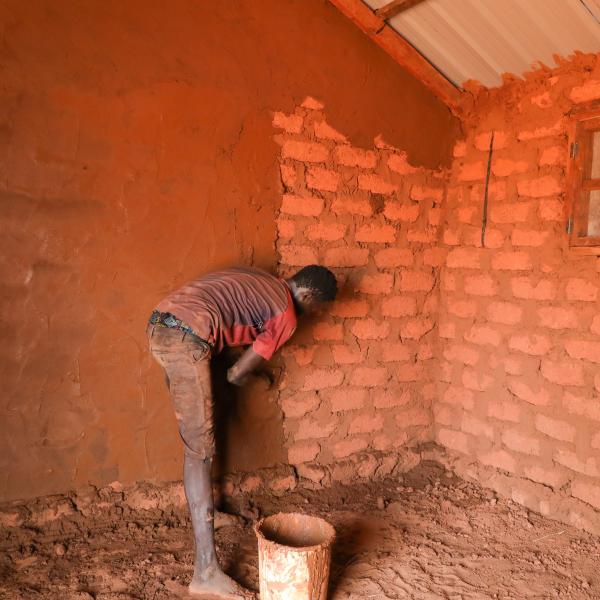
Shelters that become homes
In refugee camps, UNHCR builds innovative shelters designed to be improved over time. "As soon as refugees manage to earn a little money, they buy locally made bricks and transform their shelter into a real home, brick by brick," explains the Executive Director of Switzerland for UNHCR.
The approach goes further: last November, an agreement was signed to integrate new refugee sites into the urban development plan of the municipality of Farchana. This covers water supply and waste management – the medium-term future.
"It may sound administrative, but it's essential. These camps are becoming extensions of existing towns."
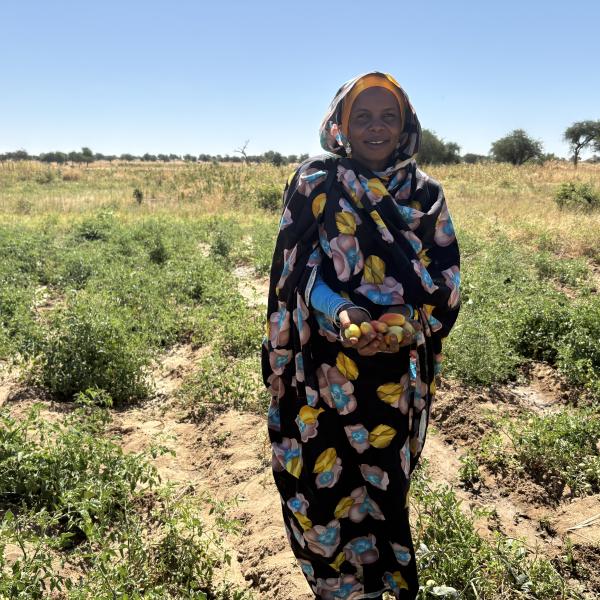
Growing food together, living together
With support from the European Union and Switzerland, UNHCR has built water retention structures that increase the amount of cultivable land. These are managed by committees that include both local residents and refugee representatives.
"This approach benefits both communities. It creates shared economic opportunities – which are key to peaceful coexistence."
Chad, one of the least developed countries in the world, hosts 1.5 million refugees today. Investing in projects that work for everyone helps sustain that welcoming spirit.
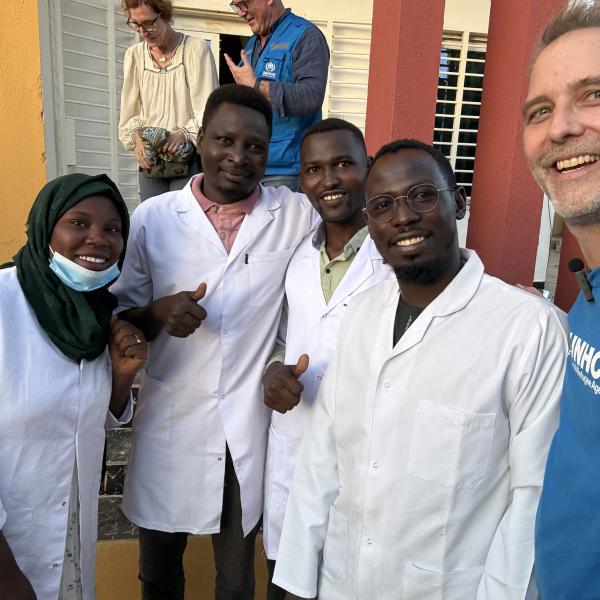
Training the next generation
At one of the sites, a group of Sudanese nursing students was about to complete their training. The war had previously interrupted their studies. Thanks to UNHCR and a partnership with Chadian hospitals, they were able to finish. "These young people will strengthen the healthcare workforce that supports both refugees and host communities."
A similar programme exists for law students, in partnership with the Chadian Bar Association. They are gaining vital skills in legal protection and refugee registration – both urgently needed in this context.
"UNHCR creates opportunities for refugees to become, in turn, actors of the humanitarian response."
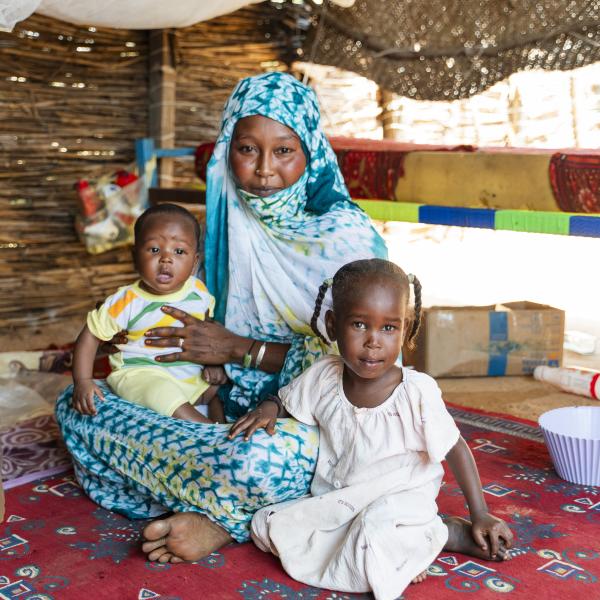
The funding challenge
On the ground, the dedication of UNHCR teams is remarkable. But it runs up against a real lack of funding for durable solutions. For humanitarians who have been working in the field for years, there is a tangible sense of things moving backwards.
"Aid has a very real impact. A durable shelter costs 500 francs. When people come together to help, it immediately changes the lives of entire families. It restores their dignity, their safety, their hope for the future."
Supporting Chad means allowing hundreds of thousands of people to remain close to their home country – and to hold on to the hope of one day returning. It means investing in solutions that help refugees rebuild, rather than keeping them dependent. It means laying the foundations for lasting peace, starting today.
Frequently asked questions on the humanitarian situation in Sudan and Chad
Why are Sudanese fleeing Sudan?
Since April 2023, two military factions have been at war in Sudan. Civilians have been severely affected, with massacres, looting, and the systematic use of sexual violence as a weapon of war. Millions of people have been displaced within the country or have fled to neighbouring countries.
Why does Chad host so many refugees?
Chad shares a long border with Sudan and has deep cultural and family ties with its neighbour. Despite limited resources, the country has maintained a generous open-door policy, made possible in part by support from the international community.
How does UNHCR support refugee self-reliance in Chad?
Beyond emergency assistance, UNHCR invests in durable shelters, agricultural infrastructure shared with host communities, and training programmes that allow young refugees to complete their education and become active contributors to the humanitarian response.
Why integrate refugee camps into urban development plans?
Because these camps are not temporary. Some have existed since the Darfur crisis nearly 20 years ago. Integration into urban planning ensures long-term access to water, waste management, and sustainable services.
How do Swiss donors make a concrete difference?
Donations fund durable shelters (500 francs per shelter per family), agricultural infrastructure, vocational training, and essential services. Every contribution has a direct, measurable impact.
Can refugees return to Sudan?
For now, the security situation does not allow for a safe return. UNHCR is working on durable solutions within Chad while enabling refugees to remain close to their home country.
How can I help Sudanese refugees?
You can support UNHCR's work with Sudanese refugees by donating. Every amount, however small, makes a direct difference in the lives of refugee families.