For mothers in displacement, protecting their children often means resisting forces that are far beyond their control. Forced to flee conflict, persecution or violence, many women must rebuild their lives with limited resources, uncertain legal status and fragile support networks. Yet even in these circumstances, one priority emerges again and again: keeping their children in education, especially their daughters.
Why refugee girls face greater risks without education
Through its DAFI scholarship programme, UNHCR is expanding access to higher education for refugees. For many families, this support is life-changing – especially for mothers striving to protect their daughters’ futures through education, strengthening their safety, dignity and opportunities.
For many refugee families, displacement brings heightened risks for girls and young women. Economic hardship, insecurity, and disrupted schooling increase the likelihood of early and forced marriage, gender-based violence, and exploitation. Education, particularly beyond secondary level, acts as a powerful counterweight to these risks. When girls remain in school, their chances of staying safe, postponing early marriage, and gaining autonomy increase significantly.
Refugee mothers protecting their daughters through education: Iman and Maysaa’s stories
Iman knows this from personal experience. Before the conflict in Syria, she was a teacher, leading a stable and fulfilling professional life. When war forced her family to flee to Jordan, that stability disappeared overnight. Today, she lives in a refugee camp, raising her children alone and navigating daily uncertainty.
Still, she never let go of one conviction: her daughters must continue to learn.
“I knew that without education, everything would become more dangerous,” she explains. “For girls, especially, the risks are everywhere when there are no opportunities.”
Iman taught her children languages at home and encouraged them to persevere despite the challenges of camp life. When her eldest daughter Sahar received a UNHCR-supported DAFI scholarship to attend university, it marked a turning point for the entire family.
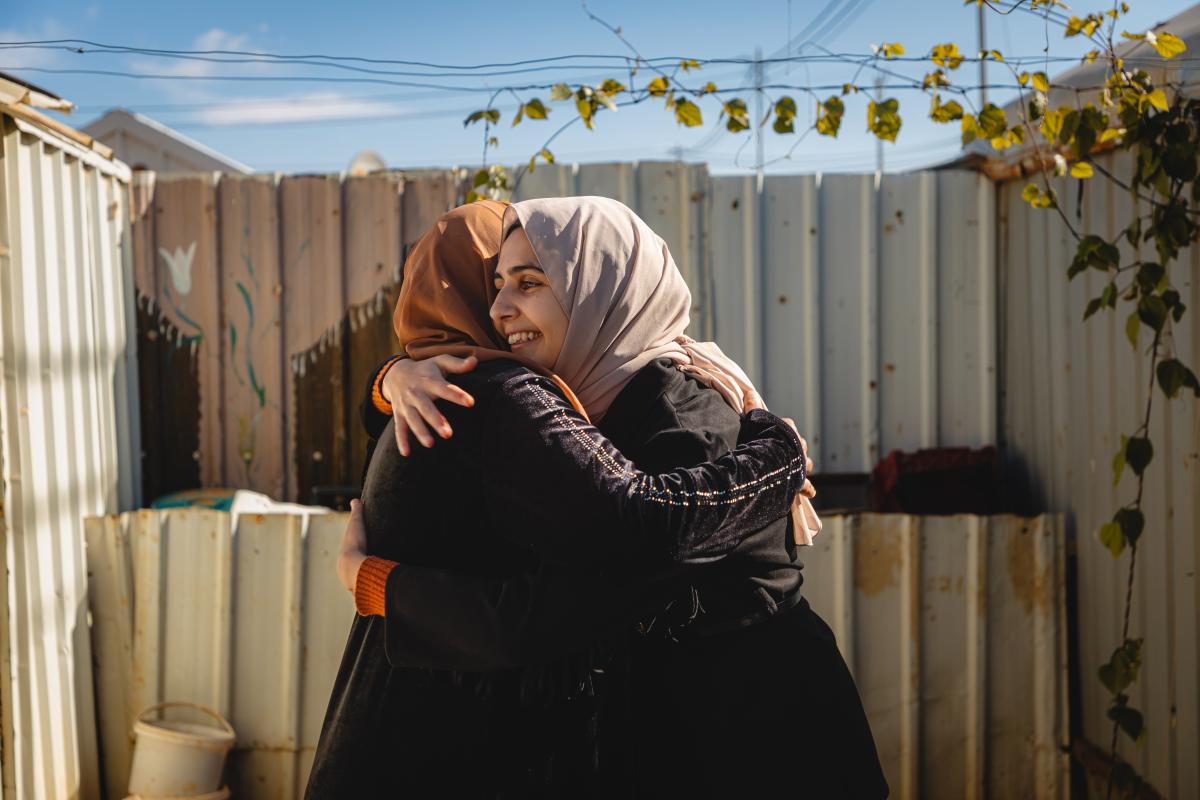
“The scholarship saved my daughter from early marriage,” Iman says. “When we got the news, it felt like someone had lifted a weight from my chest. I knew she was safe, and that her future was still open.”
Sahar is now studying translation, driven by a desire to help others express themselves and be understood. For her, higher education is not only a personal ambition but also a pathway to independence. “Education gave me confidence,” she says. “It made me feel that I still have choices, even after everything we lost.”
Stories like Iman and Sahar’s are echoed across displacement contexts. Refugee mothers consistently describe education as a form of protection – one that shields their daughters from harm while offering hope amid uncertainty. Their determination is often quiet, persistent and invisible, yet it shapes life-changing outcomes.
Another mother, Maysaa, also a Syrian refugee in Jordan, speaks of the sacrifices she made to keep her children studying. She worked long hours to pay for electricity so her daughters could revise at night. When her eldest daughter Rasha received a scholarship to study Arabic at university, the impact was overwhelming.
“Education gave her dignity. It gave all of us strength.”
How education for refugee women strengthens families and communities
UNHCR’s DAFI Scholarship Programme recognizes that enabling refugee women to access higher education requires more than covering tuition fees alone. The programme provides support for living costs, mentorship, academic guidance and psychosocial assistance, acknowledging the complex barriers that refugee women face. The impact of educated women extends to entire communities. Women who complete higher education are more likely to support the schooling of their children, mentor younger girls and contribute positively to social cohesion. Their success challenges harmful stereotypes and reinforces the value of investing in women’s potential.
For these mothers, education is not an abstract ideal. It is an act of resistance against despair, a declaration that displacement will not define their daughters’ lives.
This Mother’s Day, we pay tribute to refugee mothers who, against all odds, continue to defend their daughters’ right to learn, to grow and to imagine a future shaped not by crisis, but by possibility.
Frequently Asked Questions on girls’ education
Why is education important for refugee girls?
Education is one of the most effective ways UNHCR protects refugee girls. When girls stay in school, they are less likely to face early and forced marriage, gender-based violence or exploitation. Education also helps them build confidence, develop skills and create opportunities for a safer, more independent future.
How does education protect girls in displacement?
In displacement, girls often face increased risks due to poverty, insecurity and limited opportunities. Education provides structure, safety and support networks. It reduces exposure to harmful practices and gives girls the knowledge and tools to make informed decisions about their lives.
What challenges do refugee girls face in accessing education?
Refugee girls face multiple barriers, including:
Financial constraints
Lack of access to schools or safe transportation
Cultural and social pressures
Early marriage or caregiving responsibilities
These challenges make it harder for girls to continue their education, especially beyond secondary school.
What is the DAFI scholarship programme?
The Albert Einstein German Academic Refugee Initiative Fund (DAFI) scholarship programme supports refugees to access higher education. It covers tuition fees and provides additional support such as living costs, mentoring and psychosocial assistance, helping students succeed despite the challenges of displacement.
How does UNHCR support education for refugee girls?
UNHCR works to ensure that refugee children, especially girls, can access safe and quality education. This includes:
Supporting access to primary, secondary and higher education
Providing scholarships like DAFI
Addressing barriers such as safety, cost and discrimination
These efforts help protect girls and create long-term opportunities.
Why focus on higher education for refugee women?
Higher education empowers refugee women to become financially independent, support their families and contribute to their communities. Women who complete higher education are also more likely to ensure their own children go to school, creating a positive cycle across generations.
How can I support refugee girls’ education?
You can support refugee girls by contributing to organisations like UNHCR that provide access to education, scholarships and protection services. Your support helps ensure that girls can stay in school, stay safe and build a better future.