As UNHCR marks its 75th anniversary on 14 December, the day of the adoption of the UNHCR Statute, we celebrate more than seven decades of protecting and assisting people forced to flee their homes.
Today, the agency supports more than 122 million forcibly displaced people worldwide – a number that has doubled in the past decade alone.
While many know UNHCR, the UN Refugee Agency for its mandate to protect and assist people forced to flee, there are fascinating stories and surprising facts behind this vital organization that even dedicated supporters might not know. Explore them below or by taking this quiz.
1. UNHCR was never meant to last this long
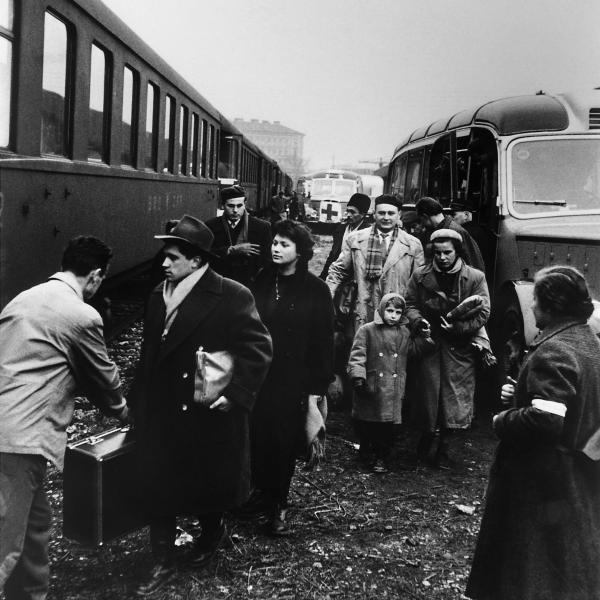
When UNHCR was established on December 14, 1950, it was initially given a temporary three-year mandate to help resettle approximately 1.2 million Europeans still displaced after World War II, then conclude its operations. But states quickly realized a three-year mandate was unrealistic, with crises forcing people to flee in other countries and for many years at times and at a larger scale.
The 1956 Hungarian Revolution marked one of UNHCR's first major operations after World War II, when Soviet forces crushed the uprising and approximately 200,000 Hungarians fled to Austria and Yugoslavia. This crisis demonstrated that forced displacement wasn't just a post-war phenomenon: it was a worldwide challenge requiring a permanent solution.
After renewing its mandate every three years, it was finally made permanent in 1967 without time or geographical limitations.
Seventy-five years later, UNHCR continues its work in over 130 countries, a sobering reminder that forced displacement remains one of the world's most persistent challenges.
2. A double Nobel Peace Prize winner
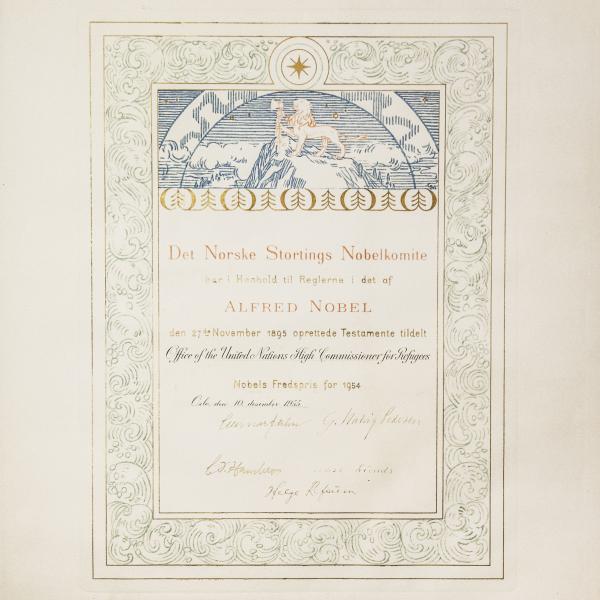
UNHCR stands among the select few organizations to win the Nobel Peace Prize twice, a testament to its lasting humanitarian impact. The first award came in 1954 for its groundbreaking efforts supporting millions of European refugees after World War II.
The second, in 1981, recognized UNHCR's global assistance to refugees in Asia and Africa during some of the world's most complex humanitarian crises, including those driven by decolonization of Africa in the 1960s, people forced to flee during the war of independence in Bangladesh independence in 1971, and the large-scale displacement following the Vietnam war in the 1970s.
This double honour reflects both the scale and the enduring importance of UNHCR's mission.
3. Redefining humanitarian leadership
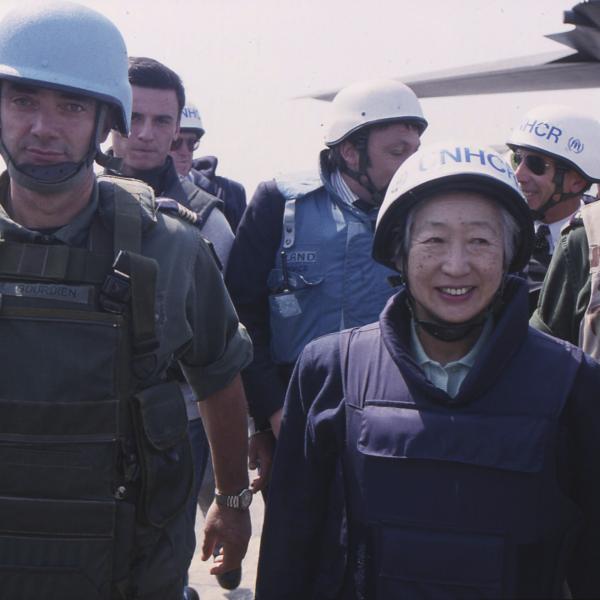
For its first four decades, UNHCR was led exclusively by men. That changed in 1991 when Sadako Ogata became the first woman to serve as UN High Commissioner for Refugees. The Japanese diplomat transformed the role during her decade-long tenure, marked by crisis in the Balkans, Africa and beyond.
She was known for visiting conflict zones and insisting that UNHCR staff work closer to the people they served, even in dangerous conditions amid war and instability. Her leadership set a new standard for humanitarian action.
4. Beyond refugees: A broader mandate to protect
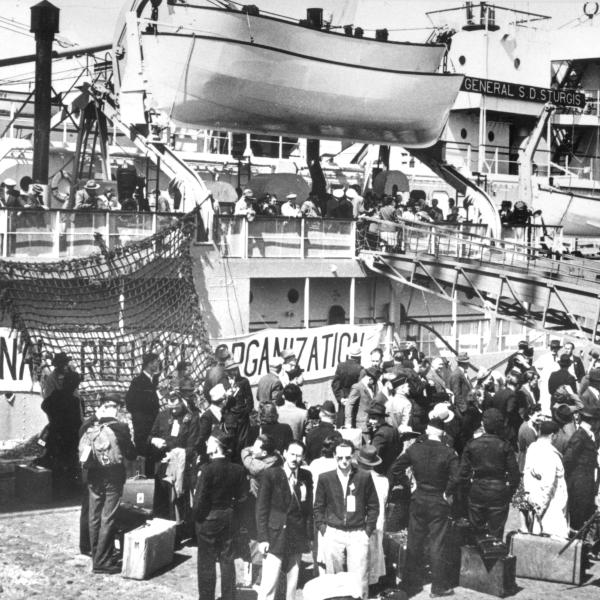
While "refugee" remains at the heart of its name, UNHCR's mandate has expanded significantly over the decades. Today, the organization assists not only refugees who have crossed international borders, but also internally displaced people (IDPs) who remain within their own countries, stateless persons who lack citizenship anywhere, asylum-seekers awaiting decision on their status, and returnees trying to rebuild their lives.
This broader mandate reflects the complex reality of modern displacement and acknowledges the diverse and growing needs of people forced to flee. It reinforces UNHCR’s commitment to protection, dignity, and durable solutions.
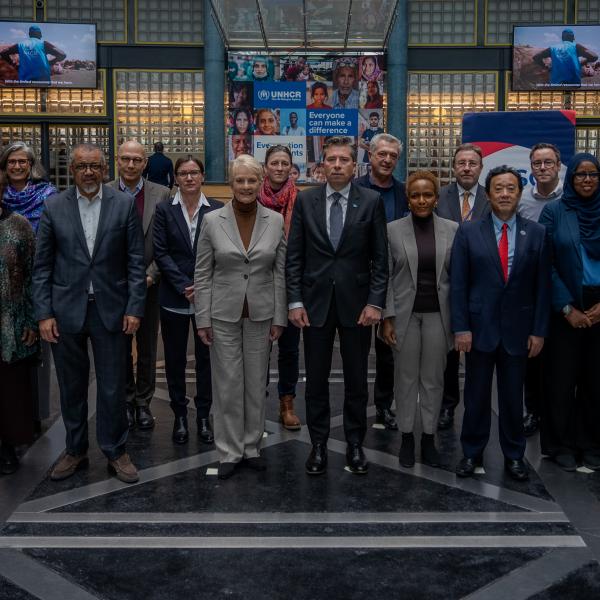
5. Switzerland's special role in UNHCR’s mission
Switzerland's connection to UNHCR runs deep. While UNHCR headquarters are in Geneva, Switzerland's long tradition of neutrality and humanitarian values made it a natural home for the organization. Switzerland was among the first supporters of the newly funded UN Refugee Agency in 1950.
Today, Switzerland for UNHCR, the national partner of UNHCR, continues this legacy by mobilizing vital resources and awareness for people forced to flee around the world.
Innovation in humanitarian crisis response
Over 75 years, UNHCR has pioneered innovative approaches to humanitarian assistance. From developing the emergency response system that can deploy help for 1 million people forced to flee within 72 hours of a crisis, to using biometric technology to deliver cash assistance securely, to creating solar-powered lighting in refugee camps, UNHCR continues to adapt and innovate to meet evolving needs.
Test your UNHCR knowledge! Take our 75th anniversary quiz
As we mark 75 years of UNHCR, these facts remind us that behind the statistics and history are millions of individual stories of resilience, courage, and hope. The need for UNHCR may have been unexpected in 1950, but its mission remains as critical today as ever.
FAQ on UNHCR
When was UNHCR founded?
UNHCR was founded on 14 December 1950 by the United Nations General Assembly.
Why was UNHCR created?
UNHCR was established to help European refugees displaced after World War II, with an initial three-year mandate.
How many people are under UNHCR’s mandate of protection today?
Over 122 million people are under UNHCR’s mandate of protection and assistance globally (data from April 2025).