THE SCALE OF THE CRISIS: KEY FIGURES
Day after day, Venezuelans are faced with new hardships. Families, pregnant women, the elderly, people with disabilities and children are among those most exposed to protection risks.
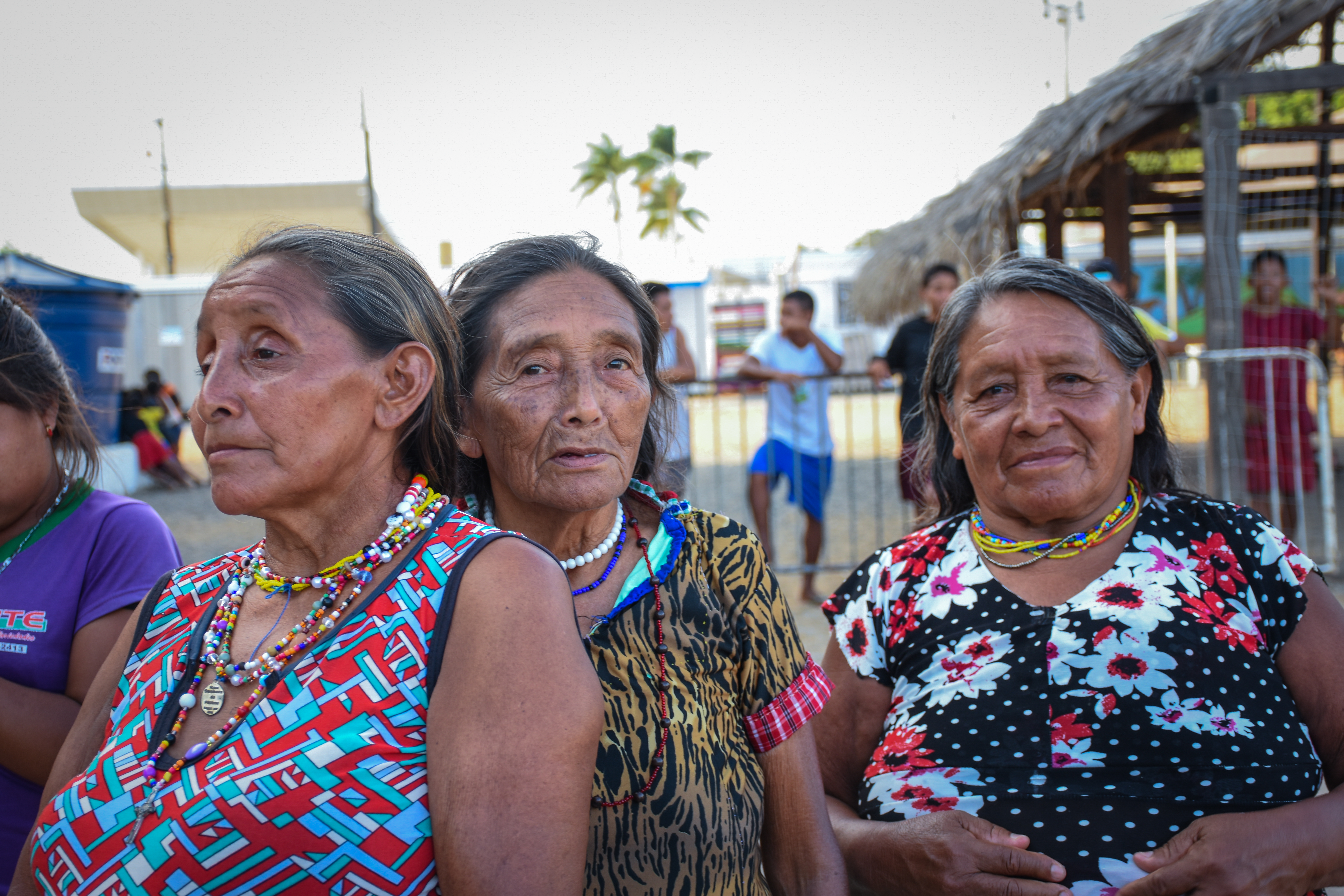
Hundreds of thousands of Venezuelans in neighbouring countries still do not have any form of identification, regular status or residence permits; thus, they are unable to exercise their basic rights.
UNHCR is working with neighbouring governments, UN agencies and partners to implement a comprehensive and coordinated needs-based approach to improve the care for displaced Venezuelans.
UNHCR’s action complements what governments are doing to provide emergency shelter and protection services to Venezuelans in bordering States and major cities.
At the same time, the UN Refugee Agency is implementing measures to guarantee their protection, reduce risks along displacement routes and secure their fundamental rights.
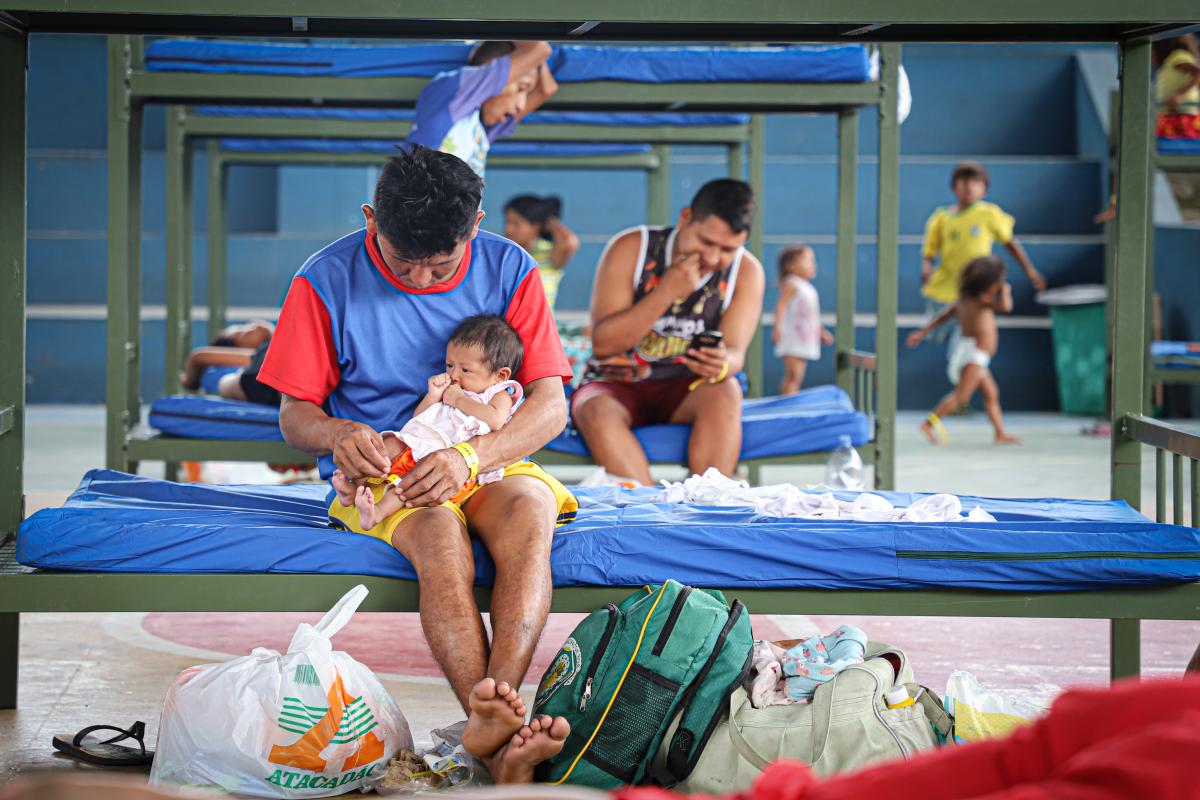
Not only is Venezuela going through a political, social and economic crisis, it is also lacking food, medicine and essential services. As a result, it is undergoing the largest exodus in the region's recent history.
Venezuelans arriving in other countries with no form of identification, regular status or stable income are extremely vulnerable to sexual and labour exploitation, human trafficking, violence, discrimination and xenophobia.
Paola, 24, and her one-year-old daughter, have been living in a UNHCR-supported shelter in Ambato for the past four months.
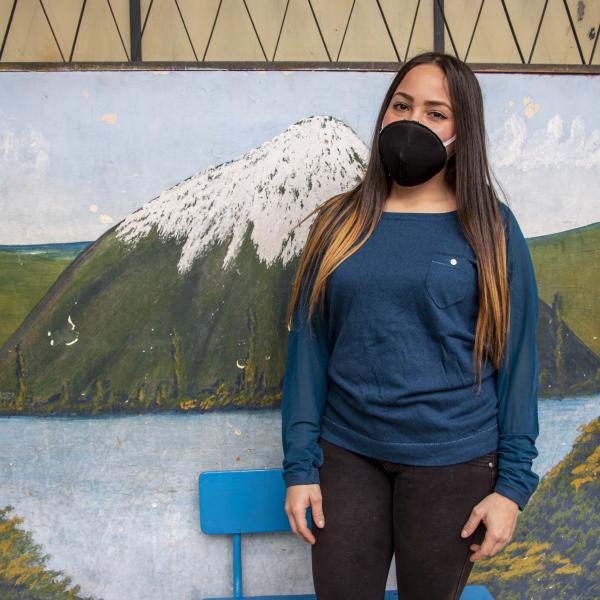

UNHCR works to improve measures to meet refugees’ and migrants’ immediate basic needs upon arrival, and fight discrimination and xenophobia in host countries. It also aims to strengthen their social and economic integration to ensure a smooth transition into the host communities.
For example, UNHCR has strengthened its presence along the borders to limit risks, such as human trafficking and exploitation, and to identify people in need of special protection and services, such as unaccompanied children and pregnant women.
Following the recent earthquakes, UNHCR is also scaling up its emergency response in Venezuela by supporting local authorities with tools to identify people with specific needs, referring them to appropriate services and mobilizing emergency relief items for affected communities.
UNHCR also provides legal assistance and advice to new arrivals and distributes clean water, hygiene kits and other basic relief items to children, women and other vulnerable people in border areas and affected communities.
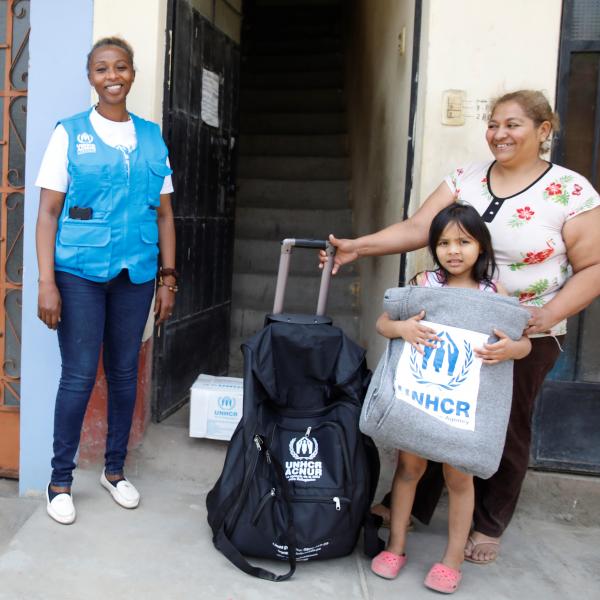
In order to support host countries, we must urgently intensify humanitarian assistance, protection services and social and economic integration. Helping them will ensure they can continue welcoming refugees and migrants in a safe and caring environment.
In 2025, UNHCR’s work took place against a backdrop of severe global underfunding, with global needs far exceeding available resources.
The situation is critical, we must help.