Three years into a war that shows no signs of ending, Anne-Marie Deutschlander, UNHCR Representant in Molvoda, sits in her office in Chișinău, facing impossible choices. The Swiss humanitarian, who has spent nearly 30 years with UNHCR, now leads UNHCR’s operations in Moldova – one of the most economically challenged countries in Europe –, which hosts over 130,000 Ukrainian refugees. Most are women, children, and elderly people whose husbands and sons remain at the frontlines.
"What if this were me?" she asks. "That's what I always want people in Switzerland to ask themselves."
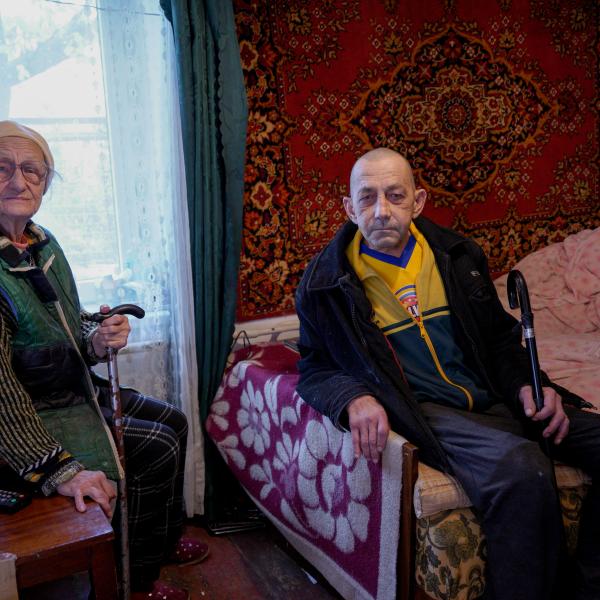
The harsh reality of refugee life in Moldova: cold homes, power cuts, isolation
The numbers show a difficult reality. The average monthly income for vulnerable refugees in Moldova is €55 – approximately CHF 48. That's 69% below the country's absolute poverty line. Even in one of Europe's poorest nations, it's not enough to cover basic needs.
"Imagine your own grandparents in a situation where it's very, very cold," Deutschlander says, her voice steady but urgent. She describes an elderly woman living alone in eastern Moldova, her son at the frontline, spending most of last winter in bed. With failing eyesight and frequent power cuts, she was afraid of falling in the dark with no one to help.
This isn't an isolated story. According to UNHCR data, 64% of Ukrainian refugees in Moldova are women and girls. Nearly half are children. One in three is elderly or disabled.
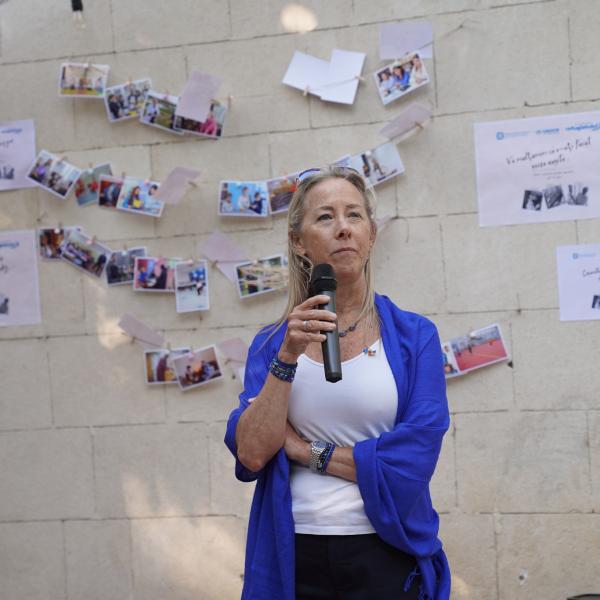
The important role of Moldova for refugees from Ukraine
Moldova is right next to Ukraine. When you work there, Deutschlander emphasizes, the war isn't something you read about in newspapers: it's our everyday reality. The country has witnessed over two million border crossings since the invasion began, and has welcomed those fleeing the war in Ukraine with extraordinary generosity from people who have very little themselves.
But this generosity is under strain. Without continued support for both the vulnerable refugees and the poor Moldovan families who hosts them, the social cohesion in the country will erode.
"Refugees are people like everyone else," Deutschlander insists. "They didn't choose to flee. These people were in Ukraine, they had good lives. They had families and jobs, dreams and plans for the future, just like the rest of us. We must always keep that in mind."
UNHCR’s toughest winter: Funding cuts amid growing needs
Now, as winter sets in, UNHCR faces what Deutschlander calls "the worst financial crisis in its history." Since 2022, the agency's cash assistance programme has supported over 135,000 Ukrainian refugees, disbursing around $200 million. But funding has dried up.
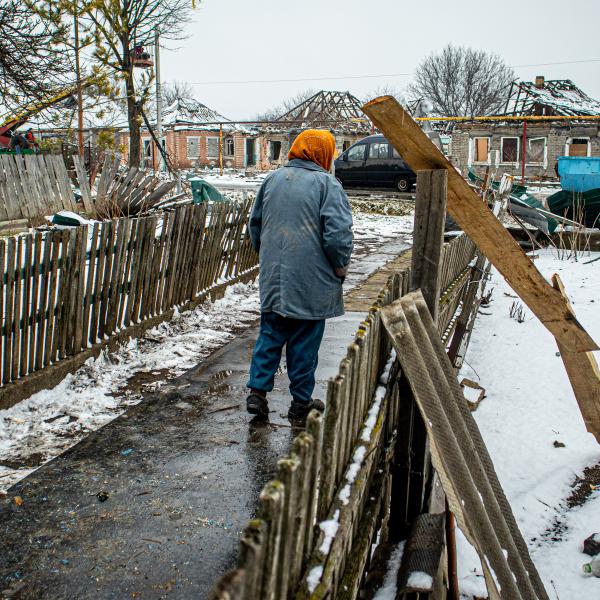
In April, monthly assistance amounts were cut. It wasn't enough. The programme that currently helps 16,000 highly vulnerable refugees faces devastating reductions.
"Having to tell a partner that we have to reduce the budget, or a staff member that they're going to lose their job – not because of their performance, but simply because of lack of funds – has been the most difficult thing for me lately," Deutschlander admits.
Her team has engaged with donors across Europe and advocated strongly at UNHCR headquarters in Geneva to sustain support for Moldova. The problem isn't unique to Moldova. Most UN agencies face similar pressures. Other crises compete for attention and resources.
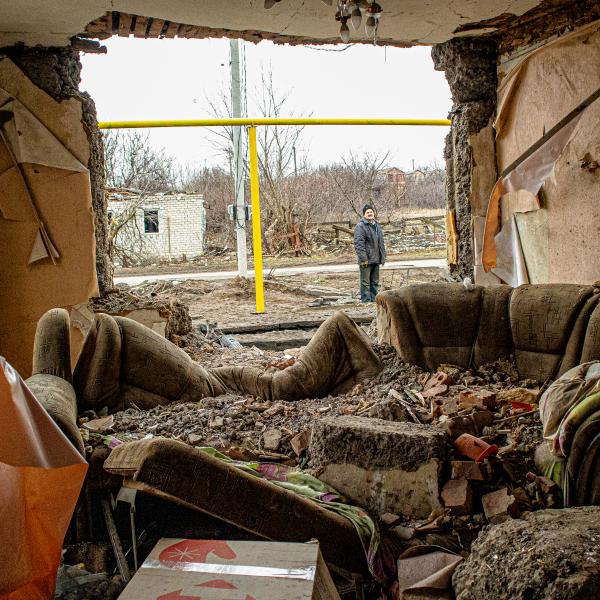
The human cost of numbers: how refugees survive winter
What does this mean on the ground? Olga, 41, fled Ukraine's Mykolaiv region with her elderly mother and six-year-old son. Nearly four years later, they survive on 2,200 Moldovan lei monthly, which is about CHF 110 for three people.
"We only heat our apartment briefly, just enough to take off the chill," she explains. Their ground-floor apartment is especially cold and damp. When winter relief arrived – blankets, cleaning supplies, hygiene products – she was grateful but clear: more help is urgently needed.
This is what keeps Deutschlander's team going, even as resources disappear.
"Everyone who works for UNHCR does so because they want to help people in difficulty," she says. "We really feel like we're letting down people who count on us so much."
What Switzerland can do to help Ukrainians survive winter
Deutschlander's message to her compatriots is both personal and practical. As someone from a country known for its humanitarian tradition and neutrality, she asks Swiss donors to imagine: what if this were happening to your family?
Small amounts make tangible differences.
- CHF 14 helps distribute blankets and solar lamps.
- CHF 40 helps a family stay warm through winter.
- CHF 120 covers a household's basic monthly needs.
But it's not just about money. "Keep talking about it," she urges. "We need to continue to raise public awareness. This war isn't over. There are still many displaced persons and people in difficult situations."
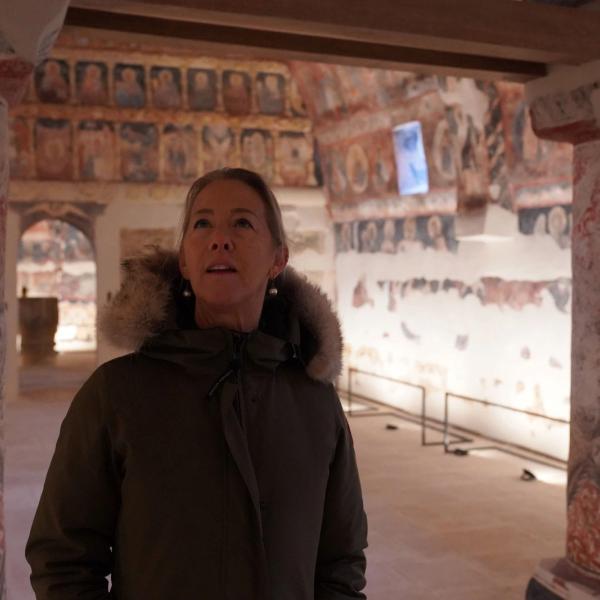
Her teams remain committed to UNHCR's motto: stay and deliver. They won't pack their bags and leave. But with reduced resources, assistance is inevitably reduced – just as winter approaches and needs intensify.
"We are all human beings, and the people affected by war did not choose to be there," she says. "I think we have a duty to help others."
UNHCR, the UN Refugee Agency, protects people forced to flee their homes because of conflict and persecution. We work in over 130 countries, saving lives, protecting rights, and helping people build a better future.
FAQ
How many Ukrainian refugees are in Moldova?
Over 130,000 Ukrainian refugees currently reside in Moldova, of which 64% are women and girls, nearly half children, and one in three elderly or disabled.
What challenges do refugees face in Moldova during winter?
With average monthly incomes of just €55 (CHF 48), vulnerable refugees must choose between heating, food, and other necessities. Many cannot afford adequate heating, warm clothing, or blankets.
How is UNHCR helping Ukrainian refugees in Moldova?
UNHCR provides cash assistance, winter relief kits including blankets and warm clothing, heater repairs and installation, and emergency support. Since 2022, the programme has helped over 135,000 refugees with around $200 million disbursed.
Why is UNHCR facing funding challenges?
UNHCR is experiencing its worst financial crisis in history, forcing difficult cuts to programmes that vulnerable refugees depend on for survival. Funding from some donors has not materialized while funding from other donors has decreased. Meanwhile, global humanitarian needs continue to grow.
How can Swiss people help Ukrainian refugees in Moldova?
Donations of any size make a difference:
- CHF 14 helps distribute blankets and solar lamps,
- CHF 40 helps a family stay warm through winter, and
- CHF 120 covers a household's basic monthly needs.
Raising awareness about the ongoing situation also helps maintain support.